In this article
- From demonetisation to a digital-payments habit
- What is BHIM and how does UPI work?
- UPI apps vs prepaid wallets: which suits your business?
- How to start accepting digital payments as a business
- Security and trust: the foundation of digital payments
- Turning digital payments into business growth
- Related Services
- Frequently Asked Questions
UPI and digital wallets have reshaped how India pays, and for any business that sells to Indian customers, accepting these payments is no longer optional. This guide explains how UPI-based apps such as BHIM work, why they matter for merchants and small businesses, and how to set up safe, low-friction digital payments that actually win you more sales. You will learn the practical differences between UPI apps and prepaid wallets, the steps to start accepting digital payments, and how to keep customer money and data secure.
Editor's note: this article was first published in January 2017, just after BHIM (Bharat Interface for Money) launched alongside the demonetisation drive. It has been rewritten as an evergreen guide to UPI and digital payments for Indian businesses; original product details from 2017 should not be read as current feature claims.
UPI (Unified Payments Interface) is a real-time payment system that lets money move directly between two bank accounts using a mobile app, without first loading cash into a separate wallet. BHIM was one of the first government-backed apps built on UPI, and today the same rails power dozens of consumer payment apps used across the country.
From demonetisation to a digital-payments habit
The shift to cashless payments in India accelerated sharply when high-value currency notes were withdrawn in late 2016. The immediate cash shortage pushed millions of ordinary people to try mobile payments for the first time, and many of them never went back. What began as a workaround became a habit, and for businesses that habit is the real story: customers now expect to tap, scan, or send money instantly.
Prepaid mobile wallets were the first wave. They let users load money into an app and spend it at participating merchants. The second, more durable wave is UPI, which removes the "load money first" step entirely by linking the app directly to a bank account. Understanding the difference helps you choose the right payment options for your own customers.
What is BHIM and how does UPI work?
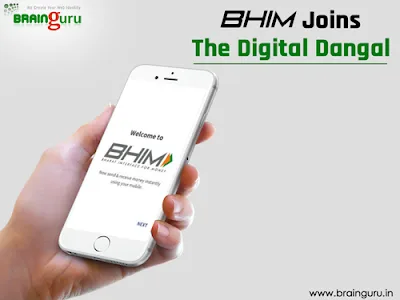
BHIM stands for Bharat Interface for Money. It is a UPI-based payments app that connects to your bank account and lets you send or receive money using a simple identifier instead of sharing full bank details. Because it runs on UPI, the underlying mechanics are the same across every UPI app, even though the look and extra features differ.
The core building blocks
- UPI ID (VPA): a virtual payment address such as name@bank that stands in for your account number and IFSC code.
- Bank linking: the app connects to the account tied to your registered mobile number, so there is no separate wallet balance to top up.
- UPI PIN: a secret PIN authorises payments, adding a layer of security on top of your device lock.
- QR codes and collect requests: a merchant can display a QR code or send a payment request, and the customer approves it in their app.
One practical advantage that made BHIM widely accessible is multi-language support and a lightweight design intended to work on basic and low-cost phones, not just premium smartphones. That inclusivity matters in a market as varied as India, where your customers may be on very different devices.
UPI apps vs prepaid wallets: which suits your business?
Both options can help you accept digital payments, but they behave differently. The table below compares the two at a high level so you can decide what to offer at checkout.
| Feature | UPI apps (e.g. BHIM) | Prepaid mobile wallets |
|---|---|---|
| Money source | Linked bank account, paid directly | Balance preloaded into the wallet |
| Setup for the payer | Link account, set UPI PIN | Add money before spending |
| Settlement to merchant | Account to account | Wallet balance, then transfer out |
| Best for | Direct, low-friction one-off payments | Frequent small spends, in-app offers |
For most small and medium businesses, supporting UPI is the priority because it removes a step for the customer and settles straight to the bank. Offering a wallet option as well can suit loyal, repeat buyers. There is no need to pick only one; modern payment gateways let you present several methods together.
How to start accepting digital payments as a business
Getting set up is more straightforward than many owners expect. The goal is to make paying you feel effortless, because every extra tap at checkout is a chance to lose a sale.
- Open or confirm a current account with your bank and ensure your business mobile number is registered.
- Create a UPI ID through a UPI app or your payment provider so customers can pay you by ID or QR.
- Display a QR code at your counter and on invoices so in-person and remote customers can pay in seconds.
- Add an online payment gateway to your website or app so you can collect payments at the moment of intent.
- Reconcile regularly by matching settlement reports to your orders, which keeps your books clean and disputes rare.
If you sell online, the payment step is part of a larger conversion journey. Many businesses drive traffic but still lose customers at checkout; our guide on why website traffic doesn't convert into leads covers the friction points worth fixing, and a fast, modern, mobile-friendly website is the foundation that makes one-tap payments feel natural.
Security and trust: the foundation of digital payments
Digital payments are convenient, but trust is what keeps customers using them. UPI is built with safeguards such as the UPI PIN and bank-grade authentication, yet most real-world losses come from social engineering rather than broken technology. A few principles protect both you and your buyers.
- Never share your UPI PIN or OTP. No genuine payment ever requires you to enter a PIN to receive money.
- Verify collect requests before approving; fraudsters often disguise a "pay" request as a "receive" one.
- Use official apps from trusted sources and keep them updated.
- Protect your customers' data with secure systems, especially if you store any order or contact information.
For businesses that handle customer information at scale, payment security is one part of a wider responsibility. It is worth reviewing your overall posture with a cyber security audit for your website and app and following current cybersecurity practices for Indian SMEs, alongside sound data protection habits.
Turning digital payments into business growth
Accepting UPI is the entry ticket; the bigger opportunity is using the digital shift to grow. Customers who pay online are already comfortable discovering and buying from you online, which means your visibility and marketing do real work.
Be found where customers search
Most buying journeys now start with a search. Investing in SEO services and, for shops serving a specific city, local SEO helps nearby customers find you before a competitor. If you run an online store, e-commerce SEO connects product pages to ready-to-buy searches. For the wider picture, see our complete SEO guide for Indian businesses.
Build demand and reach
Beyond search, a balanced digital marketing mix keeps your brand visible. Social media marketing builds familiarity and trust, while paid campaigns can put your offer in front of buyers at the right moment; our PPC and paid marketing guide explains how to do this without wasting budget. Together, frictionless payments and steady demand turn one-time buyers into repeat customers.
Related Services
- BFSI Technology Solutions Brainguru Technologies
- AI Marketing for Fintech | Compliant Growth
- Fintech Software Development in Dubai
- Mobile App Development Scalable & Secure Apps
- Cloud Telephony Solutions
- Custom Web Application Development in India
Frequently Asked Questions
What is BHIM and what does it do?
BHIM (Bharat Interface for Money) is a UPI-based payments app that links directly to your bank account, letting you send and receive money using a UPI ID or QR code instead of sharing full bank details.
What is the difference between UPI and a mobile wallet?
UPI moves money directly between bank accounts in real time, so there is no balance to top up. A prepaid mobile wallet requires you to load money into the app first before you can spend it.
How can a small business start accepting UPI payments?
Confirm a current account with your registered mobile number, create a UPI ID, display a QR code at your counter and on invoices, and add an online payment gateway to your website so customers can pay instantly.
Are UPI payments safe?
UPI protects payments with a secret UPI PIN and bank-grade authentication. Most fraud relies on tricking users rather than breaking the system, so never share your PIN or OTP and always verify a request before approving it.
Do I need a website to accept digital payments?
You can accept in-person payments with just a QR code, but a website with a payment gateway lets you collect payments online at the moment a customer decides to buy, which usually improves conversions.
Does accepting UPI help my business grow?
Yes. Customers who pay digitally are comfortable discovering and buying online, so pairing easy payments with strong SEO and digital marketing helps you attract more buyers and encourage repeat purchases.
Ready to make it effortless for customers to find you and pay you? Brainguru Technologies helps Indian businesses build fast, secure websites and the digital marketing engine behind them. Talk to our team or call +91-8010010000 for a free consultation.
Related Articles
Advanced Technology Solutions from Brainguru
Unlocking Business Success with Advanced Technology Solutions from BrainGuru In today’s dynamic digital landscape, technology is the driving force behind…
Read More
Visual Search: How It Works and How to Optimize for It
Visual search lets people search using a photo instead of words. Learn how it works and how to optimize your images so Indian businesses get discovered.
Read More
Digital Skilling in India: Building an Employable Workforce
Digital skilling in India connects trained talent with jobs through online profiles and platforms. Learn why it matters and the skills businesses must build.
Read More
Comments
Be the first to share your thoughts on this article.