In this article
- Why location matters more than ever for businesses
- How location and proximity features actually work
- The main channels for location-based marketing
- Location-based marketing channels compared
- Privacy, consent, and ethical practice
- A practical playbook to get started
- Related Services
- Frequently Asked Questions
Location-based marketing is how businesses use a customer's real-world position (their city, neighbourhood, or proximity to a store) to deliver more relevant offers, content, and discovery moments. When social platforms and mobile apps know roughly where a person is, they can surface the shops, services, and friends that actually matter in that moment, which is exactly why location features have become a quiet but powerful growth lever for local and national brands alike. In this guide you'll learn what location-based marketing is, how proximity and local-discovery features work, the privacy expectations that govern them, and a practical playbook for turning "nearby" into measurable leads and footfall.
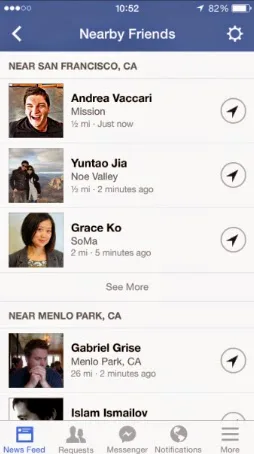
Editor's note: This article was originally published in 2014 around Facebook's launch of an opt-in "Nearby Friends" location-sharing feature (built by the team behind the Glancee app). That specific feature has since been discontinued, but the underlying idea (using location to connect people and businesses in real time) has only grown more central to digital marketing. We have re-angled the piece to that durable theme.
Location-based marketing is the practice of using geographic signals (GPS, Wi-Fi, IP, check-ins, or a user's stated city) to target, personalise, and measure marketing so the right message reaches the right person near the right place.
Why location matters more than ever for businesses
People increasingly search and shop in "near me" moments: looking for a café, a clinic, a service provider, or a store while they are out and ready to act. For an Indian business operating across busy markets like Delhi NCR, Noida, or any tier-2 city, being visible at that exact moment of intent is often worth more than broad, untargeted reach.
Location-based marketing serves three goals at once: it improves relevance (you reach people who can realistically visit or buy), it improves timing (you reach them when intent is high), and it improves measurability (footfall, calls, and direction requests are easier to attribute). Done well, it turns a generic ad budget into a stream of qualified local enquiries.
How location and proximity features actually work
Most location features rely on a layered set of signals rather than a single source. Understanding them helps you choose the right channel and set honest expectations with customers.
- GPS and device location: the most precise signal, used by mapping apps, food-delivery platforms, and ride services to show what is genuinely close by.
- Wi-Fi and Bluetooth/beacons: useful indoors and in malls, where GPS is weak, to detect when a shopper is near a counter or aisle.
- IP and network location: approximate city- or region-level data, handy for serving the right language, currency, or store branch.
- Stated location and check-ins: what users themselves share (their city in a profile, a tagged post, or a review), which doubles as social proof.
Social platforms historically experimented with friend-proximity and check-in features to make discovery feel personal; some, like the original Facebook "Nearby Friends," were retired, while others evolved into the location tags, local pages, and map placements brands use today. The lesson for marketers is to invest in the durable layer (your local presence and data) rather than any single short-lived feature.
The main channels for location-based marketing
1. Local SEO and map visibility
The foundation is making sure your business appears when someone searches for what you offer nearby. A complete, accurate business profile, consistent name-address-phone details, genuine reviews, and locally relevant content all help you rank in map and "near me" results. This is the highest-trust, lowest-cost channel for most local brands, and it compounds over time. Our Local SEO services are built specifically around this, and you can go deeper with our guide to voice search optimization in India, since many voice queries are local in intent.
2. Social media with location targeting
Platforms let you target audiences by city, radius, and interests, and let users tag your location in their posts. Combining paid local targeting with organic, location-tagged content is a strong way to build awareness in a defined area. Explore our Facebook marketing services and the broader social media optimization approach, or read our social media strategy for local businesses for a step-by-step plan.
3. Paid search and proximity ads
Search and display ads can be tuned to a radius around your locations, with location assets (formerly location extensions) that can show your address, distance, and a call button. This is ideal for capturing high-intent "near me" demand. See our search engine marketing (SEM) offering, and for a fuller picture of paid channels read our PPC and paid marketing complete guide and the comparison of Google Ads vs Meta Ads.
4. Mobile apps and proximity experiences
If your business runs its own app, location can power store finders, geo-fenced offers, and personalised content for the area a user is in. Building this well requires solid mobile engineering and thoughtful UX. Our mobile app development and Android app development teams help enterprises ship these experiences responsibly.
Location-based marketing channels compared
| Channel | Best for | Precision | Typical cost |
|---|---|---|---|
| Local SEO & maps | Steady "near me" discovery and trust | City / neighbourhood | Low, compounding |
| Social location targeting | Awareness in a defined area | City / radius | Medium |
| Paid search proximity ads | High-intent, ready-to-act demand | Radius around stores | Medium to high |
| Own-app proximity features | Loyalty and personalised offers | Precise (with consent) | Higher upfront build |
Privacy, consent, and ethical practice
Location is sensitive data, and trust is the whole game. The original generation of location features got this right in one important way: they were strictly opt-in and easy to turn off. That principle is now table stakes and, in many regions, a legal requirement.
- Make it opt-in. Never track or share precise location without clear, informed consent.
- Be transparent. Explain what you collect, why, and how long you keep it.
- Give control. Let users pause, limit, or delete location sharing at any time.
- Minimise. Use the least precise signal that achieves the goal: city-level often beats exact GPS for marketing.
Handling location data responsibly is part of a wider data-governance posture. If you collect customer data of any kind, it is worth reviewing our notes on data protection services for SMEs and a cyber security audit for your website and app.
A practical playbook to get started
- Fix the foundation first. Claim and complete your local business profile and ensure consistent contact details everywhere.
- Win reviews and local content. Encourage genuine reviews and publish content tied to the areas you serve.
- Layer paid where intent is high. Add radius-targeted search and social ads around your locations.
- Personalise with consent. If you have an app, add opt-in proximity offers and a store finder.
- Measure what matters. Track calls, direction requests, store visits, and local conversions, not just impressions.
For the bigger strategic context, our social media marketing guide for Indian businesses and our digital marketing solutions tie these channels into one coherent plan.
Related Services
- Local SEO Services
- Facebook Marketing Services Maximize Engagement & Growth
- Digital Marketing Solutions | GEO, SEO, SMM Company In India
- Social Media Optimization (SMO) Services India
- Mobile App Development Scalable & Secure Apps
- AI Marketing for Real Estate
Frequently Asked Questions
What is location-based marketing?
Location-based marketing uses geographic signals such as GPS, Wi-Fi, IP, or a user's stated city to target and personalise marketing so businesses can reach people near a relevant place. It is widely used for local discovery, proximity offers, and "near me" search.
Is location-based marketing legal and ethical?
Yes, when it is consent-based and transparent. Precise location should always be opt-in, users should be able to turn it off, and you should collect only what you genuinely need. Clear consent and data-protection practices keep it ethical and help keep it compliant; note that India's DPDP Act bars tracking and targeted advertising directed at children (under 18), even with parental consent, from May 2027.
What happened to Facebook's "Nearby Friends" feature?
Facebook's opt-in Nearby Friends feature, launched in 2014, was later discontinued. The broader idea of using location for discovery lives on through location tags, local business pages, map placements, and proximity targeting across platforms.
Which location-based channel should a small business start with?
Most local businesses should start with Local SEO and map visibility, because it builds trust, captures high-intent "near me" searches, and compounds over time at a low cost. Paid and app-based channels can be layered on afterward.
How do I measure the results of location-based marketing?
Focus on actions that reflect real local intent: phone calls, direction requests, store visits, local form fills, and conversions from radius-targeted campaigns. These are more meaningful than impressions or generic reach.
Ready to turn "nearby" into measurable leads and footfall? Brainguru Technologies helps businesses across Delhi NCR, Noida, and beyond build location-smart marketing, from Local SEO to social, paid, and mobile experiences. Call us at +91-8010010000 or get in touch to plan your strategy.
Related Articles
How to Manage Your Digital PR Service: A Practical Guide
Digital PR builds brand trust through earned media, links and social conversation. Learn how to plan, manage and measure a digital PR service that drives growth.
Read More
Facebook Messenger & Messaging Apps for Business in India
Facebook Messenger and messaging apps are a key channel for Indian businesses. Learn how free VoIP calls, chat, and conversational marketing drive leads and support.
Read More
Facebook SEO: How to Make Your Page Discoverable
Facebook SEO made simple: optimize your Page profile, content, and consistency so your business is found in social, Google, and AI search.
Read More
Comments
Be the first to share your thoughts on this article.