In this article
- What Digital PR Means Today
- Why Digital PR Drives Brand Visibility
- How to Manage Your Digital PR Service: A Practical Framework
- SEO vs Paid Advertising vs Digital PR
- Measuring Digital PR Success
- Digital PR in the Age of AI Search
- Related Services
- Frequently Asked Questions
- Work With a Digital PR and Digital Marketing Partner
Digital PR is how modern brands earn visibility, credibility and trust online: through media coverage, authoritative backlinks, social conversation and search-friendly content rather than paid advertising alone. If you have ever wondered how to manage a digital PR service so that it consistently strengthens your brand, this guide walks through what digital PR actually involves, why it matters for Indian businesses, and the practical steps that deliver durable results. You will learn how to plan campaigns, build genuine media relationships, integrate SEO, and measure outcomes you can defend to a leadership team.
Digital PR is the practice of building a brand's reputation and online presence by earning coverage, mentions, links and conversations across digital channels (news sites, blogs, social platforms, podcasts and search engines) in a way that is measurable and reinforces long-term trust.
Editor's note: this article was first published in 2014 and has been fully revised to reflect current, white-hat digital PR practice. The underlying principles of earning attention through value have stayed remarkably constant; the tactics and platforms have moved on.
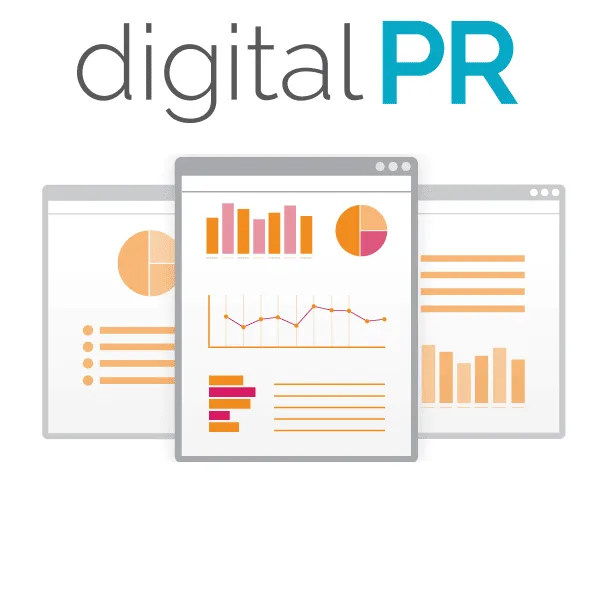
What Digital PR Means Today
Traditional PR focused on press releases, journalist relationships and print or broadcast placement. Digital PR keeps the same goal, shaping how people perceive your brand, but pursues it across the channels where audiences now spend their attention. That includes online publications, industry blogs, social media, video platforms, podcasts and increasingly the answer boxes of search engines and AI assistants.
The shift is fundamental rather than cosmetic. Audiences can now access company information instantly, communities form around shared interests, and trust has moved from institutions toward peers and independent voices. A single well-placed story or a credible third-party mention can travel further than a paid campaign, because people believe what others say about you more than what you say about yourself.
Why Digital PR Drives Brand Visibility
Done well, digital PR expands visibility and brand awareness while quietly supporting almost every other marketing channel. It is a real-time conversation with a large, diverse audience, and the right mix of tactics turns that conversation into measurable business value.
- Authority and trust: Earned coverage from respected publications signals credibility that no advertisement can buy.
- Search visibility: Quality editorial links and brand mentions strengthen your domain authority and help you rank, complementing a focused SEO strategy.
- Reputation control: A steady stream of positive, accurate content shapes what people find when they search your name, the foundation of good online reputation management.
- Lead generation: Mentions and stories funnel new audiences back to your website and social profiles, where they can convert.
Because digital tactics (social shares, referral traffic, link acquisition, branded search lift) are tangible and measurable, you can connect PR activity to outcomes far more clearly than in the print era.
How to Manage Your Digital PR Service: A Practical Framework
Managing digital PR is less about chasing one big hit and more about running a disciplined, repeatable process. The steps below modernise the classic checklist into practices that hold up today.
1. Understand Your Audience and Their Media Habits
Start by mapping who you want to reach and where they actually get their information. Define your audience by need, industry and intent, then identify the publications, creators, communities and search queries they trust. Every later decision (which story to pitch, which platform to prioritise) flows from this clarity.
2. Build a Campaign Strategy That Earns Conversation
Plan campaigns around ideas worth talking about: original data, a useful guide, an expert point of view, or a genuinely newsworthy company milestone. The aim is to give journalists and audiences a reason to engage, not simply to broadcast a message. Align each campaign with a clear objective so you know what success looks like before you begin.
3. Earn Quality Links the White-Hat Way
Backlinks remain a core benefit of digital PR, but the standard has risen sharply. Earn links by being genuinely useful: contributing expert commentary, publishing research others want to cite, and creating resources worth referencing. Avoid paid link schemes, link farms or any shortcut that violates search-engine guidelines; they put your domain at risk. For more on this, see our breakdown of the most common SEO mistakes Indian businesses make.
4. Integrate SEO From the Start
Digital PR and SEO are partners. Coverage on authoritative sites builds links and brand signals; in turn, your owned content needs to be discoverable when interest spikes. Coordinate keyword themes, on-page optimisation and earned coverage so the two reinforce each other. Our complete SEO guide for Indian businesses shows how to align the two.
5. Optimise Press Releases and Owned Content
A press release should still be clear, accurate and genuinely newsworthy, but write it for people first, with a natural inclusion of the terms your audience searches for. The same applies to landing pages, announcements and resource hubs. Strong content marketing gives your PR something substantial to point to.
6. Use Blogs and Social Media for Two-Way Conversation
Publishing is only half the job. Blogs, social posts and community engagement let you respond, answer questions and deepen relationships. Treat social platforms as dialogue, not a megaphone, a principle at the heart of effective social media optimization. For local brands especially, a deliberate social media strategy turns conversation into community.
7. Keep Refreshing Your Content
Reputation is built continuously. Revisit older articles, update statistics and angles, and keep your owned channels current. Fresh, accurate content keeps both audiences and search engines coming back, and protects you from looking outdated when prospects research you.
8. Use Retargeting and Consistent Follow-Up Thoughtfully
Earned attention is valuable but fleeting. Retargeting can gently re-engage people who visited after a campaign, while consistent, respectful follow-up with journalists and audiences keeps relationships warm. Combine paid and earned efforts sensibly; our guide to PPC and paid marketing explains how to make them work together.
SEO vs Paid Advertising vs Digital PR
These three disciplines overlap but play different roles. Understanding the distinction helps you allocate budget sensibly.
| Approach | Primary goal | Trust signal | Time horizon |
|---|---|---|---|
| SEO | Organic search visibility | Relevance & authority | Medium to long term |
| Paid advertising | Immediate reach & leads | Brand-controlled message | Short term, while funded |
| Digital PR | Reputation, mentions & earned links | Third-party credibility | Long term, compounding |
The strongest programmes use all three together: PR earns the credibility and links, SEO captures the resulting demand, and paid media amplifies the moments that matter.
Measuring Digital PR Success
Avoid vanity metrics and tie activity to outcomes you can defend. Useful indicators include the quality and relevance of earned coverage, referral traffic from placements, growth in branded search, links acquired from authoritative domains, share of voice against competitors, and movement in sentiment over time. Set a baseline before each campaign so you can show genuine change rather than guesswork.
Digital PR in the Age of AI Search
Search is increasingly answered by AI overviews and assistants that synthesise information from trusted sources. That makes earned credibility more important than ever: brands consistently mentioned by authoritative publications are more likely to be surfaced and cited by these systems. Building a reputable, well-referenced presence is now part of staying visible: explore how to prepare for AI-driven search results and the emerging field of generative engine optimization.
Related Services
- Online Reputation Management Services
- Digital Marketing Solutions | GEO, SEO, SMM Company In India
- Social Media Optimization (SMO) Services India
- Expert SEO Services Rank Higher & Grow Online
- Digital Marketing for Startups & New Businesses
- Hire Content Writer in India
Frequently Asked Questions
What is digital PR?
Digital PR is the practice of building a brand's reputation and visibility online by earning media coverage, authoritative links, mentions and social conversation. Unlike paid advertising, it relies on third-party credibility to build lasting trust.
How is digital PR different from traditional PR?
Traditional PR centres on print and broadcast media and press releases, while digital PR pursues the same reputation goals across online publications, blogs, social media, podcasts and search engines. Digital PR is also far more measurable, with trackable links, referral traffic and branded search.
How does digital PR help SEO?
Earned coverage from reputable sites generates quality backlinks and brand mentions that strengthen your domain's authority and help you rank. When paired with on-page SEO, digital PR makes your content easier to discover when interest in your brand rises.
How do I measure the results of a digital PR campaign?
Focus on outcomes such as the quality of earned coverage, referral traffic, growth in branded search, links from authoritative domains, share of voice and sentiment. Establish a baseline before the campaign so you can demonstrate real change rather than vanity metrics.
Is buying backlinks or followers a good digital PR tactic?
No. Buying links violates search-engine guidelines and can damage your rankings, while buying followers or fake engagement can damage your credibility. Sustainable digital PR earns links and audiences through genuinely useful, white-hat work.
How long does digital PR take to show results?
Some campaigns generate coverage and traffic within days, but the compounding benefits (authority, reputation and search visibility) build over months. Digital PR is best treated as a continuous programme rather than a one-off push.
Work With a Digital PR and Digital Marketing Partner
Managing digital PR well takes strategy, relationships and consistent execution across content, SEO and social channels. As a Delhi-NCR and Noida based digital marketing company serving clients across India and beyond, Brainguru Technologies helps brands plan, run and measure digital PR that strengthens reputation and drives growth. To discuss your goals, contact our team or call +91-8010010000.
Related Articles
Top 5 SEO Mistakes Indian Businesses Still Make in 2025 - and How to Fix Them
The digital landscape in India is changing faster than ever. With growing internet penetration, rising competition across industries, and a huge shift toward…
Read More
Getting More Reviews for Your Business
Why Online Reviews Matter for Local Businesses Online reviews can be a major asset for businesses and this is especially true for local search. Recent studies…
Read More
Facebook SEO: How to Make Your Page Discoverable
Facebook SEO made simple: optimize your Page profile, content, and consistency so your business is found in social, Google, and AI search.
Read More
Comments
Be the first to share your thoughts on this article.