In this article
Building quality backlinks is still one of the most reliable ways to improve your website's page rank and attract targeted, qualified traffic. If you own a website and want search engines to trust it, the links pointing to your pages matter just as much as the content on them. This guide explains what backlinks are, why quality beats quantity, which white-hat link-building tactics actually work, the link schemes you must avoid, and how to measure whether a link is helping or hurting you.
A backlink is simply a hyperlink on another website that points to a page on yours. To a search engine, a relevant editorial backlink acts like a vote of confidence: it signals that the linking site found your page useful enough to reference. At Brainguru Technologies, an India-based web solutions team, we build links that are relevant to the theme of your website and fully compliant with search engine guidelines, because that is the only kind of link that delivers durable page rank and traffic.
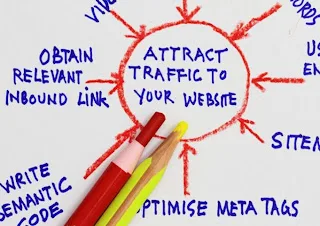
What Backlinks Are and Why They Matter
Search engines like Google use links between pages to discover content and to judge how authoritative and trustworthy a page is. When a respected, topically related website links to you, some of that authority flows to your page, which can help it rank higher for the keywords you care about.
Backlinks matter for three practical reasons:
- Discovery: Search crawlers follow links to find and index your new pages faster.
- Authority: Links from credible sites strengthen your site's overall trust and ranking potential.
- Referral traffic: A well-placed link on a relevant page sends real visitors who are already interested in your topic.
This is why backlinks remain a core pillar of any serious SEO services programme. Online search is still the most widely used way to attract qualified visitors, and a strong, natural link profile is what helps your pages compete on the results that matter to your business.
Quality vs Quantity: Why a Few Good Links Win
For years, some marketers chased raw link counts, assuming more links always meant better rankings. Modern search algorithms have made that approach obsolete and often harmful. A handful of relevant, authoritative links will almost always outperform hundreds of low-quality ones, and spammy links can actively damage your visibility.
| Quality Backlink | Low-Quality / Spammy Link |
|---|---|
| From a topically relevant, trusted site | From an unrelated or low-trust site |
| Editorially placed within useful content | Bought, exchanged in bulk, or auto-generated |
| Natural, varied anchor text | Repetitive, exact-match keyword anchors |
| Dofollow link earned on merit | Mass directory, comment, or forum spam |
| Sends real, interested visitors | Sends little or no genuine traffic |
The goal is a link profile that looks natural because it is natural, earned by publishing things people genuinely want to reference.
What Makes a Good Backlink
Not all links carry the same weight. When we evaluate a link opportunity for a client, we look for a few clear signals of quality.
Relevance
A link from a site in your industry or a closely related topic passes far more value than a link from an unrelated page. A backlink to an online store from a relevant retail or product-review site, for example, is the kind of context that supports e-commerce SEO goals.
Authority
Links from established, well-trafficked domains with their own healthy reputation carry more ranking power than links from brand-new or low-trust sites.
Editorial and Dofollow Placement
The strongest links are placed editorially because the author chose to cite you, not because you paid for placement. A standard dofollow link passes authority; nofollow links can still drive useful referral traffic and keep your profile looking natural.
Natural Anchor Text
Anchor text should read naturally and vary across links. Over-optimised, exact-match anchors repeated everywhere are a classic spam signal. We cover this in depth in our post on why you should change your anchor-text strategy for link building.
White-Hat Link-Building Tactics That Work
Sustainable link building means earning links by being genuinely worth linking to. These are the approaches we recommend and use.
- Digital PR: Create newsworthy data, surveys, or commentary and pitch journalists and editors so credible publications cite and link to you.
- Guest content: Contribute genuinely useful articles to reputable, relevant publications. Do this for the audience and the brand exposure, within editorial guidelines, not as a bulk link factory.
- Citations and listings: Get your business listed accurately in trusted industry directories and local citation sources, which also supports local discoverability.
- Broken-link building: Find broken links on relevant sites that pointed to content like yours, and offer your working page as a replacement.
- Linkable assets: Publish guides, tools, original research, and resources so good that others reference them naturally. Our complete SEO guide for Indian businesses is an example of the kind of evergreen asset that earns links over time.
These tactics work best as part of a broader digital marketing programme, where content, SEO, and outreach reinforce each other.
Link Schemes to Avoid
Google's link-spam guidelines are clear: links intended to manipulate rankings, rather than to genuinely help users, violate its policies and can trigger penalties or simply be ignored. Steer well clear of the following.
- Buying or selling links that pass ranking signals, including paid posts whose links lack a rel="sponsored" or rel="nofollow" attribute.
- Excessive link exchanges ("link to me and I'll link to you") done purely for rankings.
- Large-scale guest posting with keyword-rich anchor text built only for links, a tactic Google has specifically warned about. We explain the risk in our post on Google's warning about link building through guest posts.
- Automated link creation and low-quality directory, comment, or forum spam.
- Buying social followers, likes, or views to fake popularity. These do not build real authority and can harm your brand's credibility; focus on earning genuine engagement instead.
How to Measure Link Quality
Before chasing a link, ask whether it would still be worth having if search engines did not exist. If a real, relevant audience would click it, it is probably a good link. To assess quality, review:
- Relevance of the linking page and site to your topic.
- Authority and trust of the linking domain.
- Placement: is the link inside genuine editorial content, or buried in a footer or spammy list?
- Anchor text: does it read naturally and vary across your profile?
- Referral traffic: is the link actually sending engaged visitors?
Track these signals over time, prune toxic links where needed, and keep investing in the assets and relationships that earn good ones.
Related Services
- Expert SEO Services Rank Higher & Grow Online
- Local SEO Services
- E-Commerce SEO Services
- Search Engine Marketing Services (SEM)
- Best AI SEO Tools 2026 | Top 10 AI-Powered SEO Tools Reviewed
- Digital Marketing Solutions | GEO, SEO, SMM Company In India
Frequently Asked Questions
What is a quality backlink?
A quality backlink is an editorially placed link from a relevant, trustworthy website that points to your page. It uses natural anchor text and ideally sends real, interested visitors, which signals genuine value to search engines.
Are more backlinks always better for SEO?
No. A few relevant, authoritative links outperform hundreds of low-quality ones. Spammy or manipulative links can actually harm your rankings, so quality and relevance matter far more than raw quantity.
Is buying backlinks or social followers safe?
No. Buying links that pass ranking signals violates Google's link-spam guidelines and can lead to penalties, while buying social followers or likes creates fake popularity without real authority. White-hat, earned links and genuine engagement are the safe, durable approach.
What are the best white-hat ways to build links?
Effective white-hat tactics include digital PR, contributing genuinely useful guest content to reputable sites, accurate citations and listings, broken-link building, and publishing linkable assets such as guides, tools, and original research.
How do I know if a backlink is good or harmful?
Check the linking site's relevance and authority, whether the link is placed editorially, whether the anchor text reads naturally, and whether it sends real referral traffic. If a link only exists to manipulate rankings, it is best avoided.
Quality backlinks are earned, not bought, and the right link-building strategy can steadily lift both your page rank and your qualified traffic. If you want a guideline-compliant, white-hat link-building and SEO plan tailored to your website, Brainguru Technologies can help. Call us at +91-8010010000 or get in touch to get started.
Related Articles
Why Your Website Traffic Doesn't Convert into Leads (and How to Fix It)
Why Your Website Traffic Doesn’t Convert Into Leads in India (And How to Fix It) You open your Google Analytics dashboard. Traffic is growing. Visitors are…
Read More
Top 5 SEO Mistakes Indian Businesses Still Make in 2025 - and How to Fix Them
The digital landscape in India is changing faster than ever. With growing internet penetration, rising competition across industries, and a huge shift toward…
Read More
SEO Strategies for Indian Businesses in 2026
SEO Strategies for Indian Businesses in 2026: Stay Ahead in Digital Marketing Digital marketing in India is evolving at a rapid pace. With over 850 million…
Read More
Comments
Be the first to share your thoughts on this article.