In this article
- Why Google Labels Ads in the First Place
- How to Identify a Paid Ad Today
- Paid Search vs Organic Search: The Real Difference
- What Ad Labeling Means If You Run Google Ads
- What Ad Labeling Means If You Rely on Organic SEO
- Why This Matters for Searchers and Buyers
- Building a Balanced Search Strategy
- Related Services
- Frequently Asked Questions
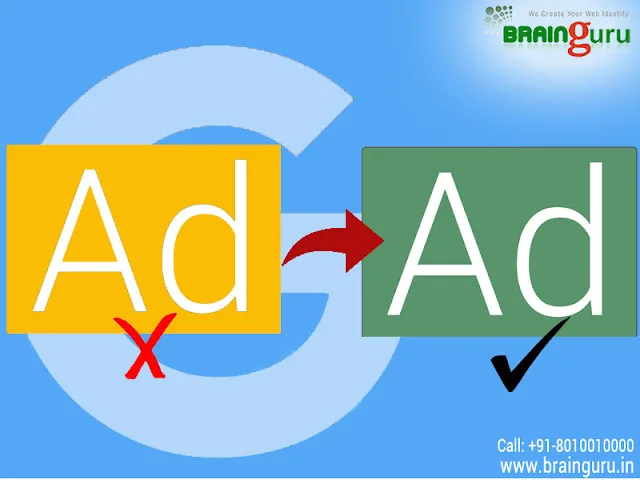
Knowing how to tell ads apart from organic results in Google Search is one of the most useful skills any business owner, marketer, or everyday searcher can have. Google has changed how it visually labels paid search ads many times over the years (yellow boxes, then a green “Ad” label, and today a larger “Sponsored results” label above each group of text ads) but the underlying principle has never changed: paid placements must be clearly distinguished from the free, algorithmically ranked organic listings beneath them. Understanding that distinction helps you spend smarter on advertising, set realistic SEO expectations, and read the search results page the way your customers actually do.
Editor’s note: This article was originally published in 2016, when Google replaced the long-standing yellow “Ad” box with a green “Ad” label in search results. Google has since changed the label again (since October 2025 it groups text ads under a single, larger “Sponsored results” label) so we have rewritten this piece as an evergreen guide to identifying paid ads versus organic results and what that distinction means for your business.
Ad labeling in Google Search is the visual marker, today the word “Sponsored”, that Google places on paid search ads to clearly separate them from the unpaid, organically ranked results below.
Why Google Labels Ads in the First Place
Search advertising is the core of Google’s business, but a search engine is only trustworthy if people can tell what they are looking at. Regulators and consumer-protection bodies around the world expect paid content to be disclosed, and Google’s own credibility depends on users believing the results are useful rather than simply bought. Clear ad labeling is how Google balances both: advertisers get prominent placement, and searchers always know which listings are paid.
For a business, this matters in two directions. If you run paid campaigns, the label is what positions your message at the very top of the page. If you invest in organic visibility, the label is what reassures users that your hard-earned ranking is editorial trust, not a purchase. Both channels work best when you understand how the page presents them.
A Quick History of the Label
The wording and styling of Google’s ad disclosure has changed repeatedly. Early text ads sat in a shaded yellow or pink background block. That background was later dropped in favour of a small coloured “Ad” badge: first yellow, then, around 2016, green. Google later moved to a bold black “Sponsored” label on each ad, and in October 2025 to a single, larger “Sponsored results” label above each group of text ads. The visual style keeps evolving, but every iteration exists to do the same job: make the paid nature of the listing clear and prominent.
How to Identify a Paid Ad Today
On a modern Google results page, paid search ads almost always appear at the very top (and sometimes the very bottom) of the page. Look for these signals:
- The “Sponsored results” label above the group of text ads, which stays visible as you scroll.
- Placement above the first organic (unlabeled) blue-link result.
- Ad assets (formerly called extensions) such as sitelinks, callouts, phone numbers, or prices stacked under the headline.
- Shopping ads with product images, prices, and store names in a carousel or grid (labelled “Sponsored products”).
Anything without a sponsored/ad marker is an organic result: a page that earned its position through Google’s ranking algorithm rather than an advertising bid.
Paid Search vs Organic Search: The Real Difference
The label is the surface; the business model underneath is what you should plan around. Paid and organic listings reach the same searcher but behave very differently.
| Aspect | Paid Search (Ads / SEM) | Organic Search (SEO) |
|---|---|---|
| Label on the page | Marked “Sponsored” | No label |
| How you get there | Bid in an ad auction | Earn ranking via relevance & authority |
| Cost model | Pay per click (or per impression) | No cost per click; investment is in content & optimization |
| Speed | Visible almost immediately | Builds over weeks and months |
| Longevity | Stops when budget stops | Compounds and persists over time |
| Best for | Launches, offers, fast lead flow | Durable visibility & lower long-term cost |
Neither channel is “better” in the abstract. The strongest strategy usually runs both: search engine marketing to capture demand right now, and SEO services to build visibility that keeps working after the ad budget pauses. If you are weighing one against the other, our guide to Google Ads vs Meta Ads is a useful companion read.
What Ad Labeling Means If You Run Google Ads
For advertisers, the “Sponsored” label is not a drawback; it comes with the prominent placement your ads can win in the auction, usually above the organic results but never guaranteed. But because users can see that your listing is paid, your ad copy and landing experience have to earn the click and the conversion. A few principles hold up regardless of how the label looks in any given year:
- Match intent. Send each ad to a landing page that delivers exactly what the headline promised.
- Use assets. Sitelinks, callouts, and structured snippets (formerly called extensions) make your labeled ad larger and more useful.
- Mind Quality Score. Relevance and landing-page experience lower your cost per click, so paid and organic quality reinforce each other.
- Track conversions, not just clicks. A prominent ad that drives no enquiries is wasted spend.
If you want hands-on campaign management, you can hire a dedicated PPC expert, and our PPC and paid marketing complete guide walks through structure, bidding, and measurement in depth.
What Ad Labeling Means If You Rely on Organic SEO
Because paid ads sit above organic results, the very first unlabeled listing is often pushed further down the page. This is precisely why organic visibility has to be strong: ranking on page one is no longer enough if several sponsored listings appear before you. Earning a top organic position, and rich results like review stars and site links, is how you stay visible without paying per click.
This dynamic is even more important now that Google shows AI-generated overviews above many results. Understanding how to appear in those answer boxes is its own discipline; see our explainer on Google AI Overviews for Indian businesses. For a structured plan to climb the organic listings, our complete SEO guide for Indian businesses is the best place to start.
Why This Matters for Searchers and Buyers
Ad labeling is ultimately a consumer-trust feature. When you can instantly tell a paid placement from an organic one, you can decide how much weight to give each. A sponsored result is a business that wanted to reach you enough to pay for the click, perfectly legitimate, and often exactly what you need. An organic result is one Google’s algorithm judged most relevant. Smart buyers scan both. As a brand, that means showing up credibly in either lane and keeping the experience after the click consistent with what you promised.
Building a Balanced Search Strategy
The healthiest approach treats paid and organic as partners rather than rivals:
- Use paid search to test. Ads reveal which keywords and messages convert fastest, informing your SEO priorities.
- Use SEO to compound. Once you know what converts, build organic content around it to reduce reliance on paid clicks over time.
- Own the whole results page. Appearing as both a labeled ad and a strong organic listing maximises your visibility for high-value searches.
- Measure end to end. Attribute leads and revenue, not just impressions, so budget flows to what actually works.
For a wider view of how these pieces fit together, see our complete guide to digital marketing services or explore our full digital marketing solutions.
Related Services
- Search Engine Marketing Services (SEM)
- Hire Dedicated PPC Expert in India
- AI Ad Optimization & Campaign Management
- Expert SEO Services Rank Higher & Grow Online
- Digital Marketing Solutions | GEO, SEO, SMM Company In India
- Best AI SEO Tools 2026 | Top 10 AI-Powered SEO Tools Reviewed
Frequently Asked Questions
How can I tell if a Google result is an ad?
Look for the “Sponsored results” label above a group of text ads (Shopping ads are labelled “Sponsored products”). Paid ads usually appear above (and sometimes below) the organic results, and may include extra links, prices, or phone numbers. Any result without that label is an organic listing.
Why did Google change the ad label from yellow to green to “Sponsored”?
Google regularly tests the look of its results page to keep paid placements clearly and prominently disclosed while keeping the page easy to use. The wording and colour have changed several times, but the goal, making the paid nature of an ad obvious, has stayed the same.
Is it better to use paid ads or organic SEO?
It depends on your goals. Paid search delivers fast, immediate visibility but stops when the budget stops, while SEO builds slower but compounds over time at no cost per click. Most businesses get the best results by combining both.
Do paid ads hurt my organic rankings?
No. Running Google Ads does not directly raise or lower your organic position; they are separate systems. However, because ads occupy the top of the page, strong organic visibility becomes even more valuable so your listing is not pushed too far down.
Where do sponsored ads appear on the Google results page?
Text ads typically appear at the very top of the page and sometimes at the bottom. Shopping ads show as a labeled grid or carousel of products with images and prices. All of them carry the “Sponsored” marker.
Does ad labeling affect how many people click ads?
Clear labeling builds trust, and many searchers happily click sponsored results when the offer matches their intent. The label does not stop clicks; relevant ad copy and a strong landing page are what drive them.
Whether you want to launch high-performing paid campaigns, climb the organic rankings, or do both, Brainguru Technologies can help you own more of the Google results page. Call us at +91-8010010000 or get in touch to plan a search strategy built around your goals.
Related Articles
Google Search Ads Placement: Why the Sidebar Ads Disappeared
Google Search ads placement explained: why right-hand-side ads disappeared, where paid ads sit now, and what the top-and-bottom layout means for your PPC and SEO strategy.
Read More
Digital Marketing and Search Engine Marketing Services
In today’s digital-first world, businesses need more than just an online presence-they need a robust, results-driven strategy that connects them with their…
Read More
Consolidated Billing in Google Ads Manager Accounts
Consolidated billing in Google Ads lets agencies and multi-account advertisers combine spend into one monthly invoice. Learn how manager accounts and billing work.
Read More
Comments
Be the first to share your thoughts on this article.