In the high-stakes world of startup funding and acquisitions, technology is no longer a supporting function; it is the product itself. Investors deploying capital into technology-driven companies demand rigorous validation that the software, infrastructure, and engineering practices underpinning a startup are sound, scalable, and free of hidden liabilities. Acquirers conducting M&A transactions need assurance that the technology they are purchasing will integrate cleanly and deliver the value projected in their financial models.
Technical due diligence for startups is the process of systematically evaluating a company's technology assets, engineering capabilities, security posture, and technical debt to provide stakeholders with a clear, unbiased picture of the technology's strengths, risks, and remediation requirements. At Brainguru, headquartered in Noida, India, we conduct thorough technical due diligence engagements that have informed investment decisions, shaped acquisition terms, and helped startups proactively address weaknesses before entering critical transactions.
Our technical due diligence team comprises senior engineers, architects, and security specialists who have collectively reviewed hundreds of codebases, infrastructure configurations, and engineering organizations. We deliver findings in clear, actionable reports that both technical and non-technical stakeholders can understand and act upon.
Why Investors and Acquirers Demand Technical Due Diligence
Technology risk is business risk. A startup may demonstrate impressive revenue growth and strong market positioning, but if its underlying technology is fragile, insecure, or poorly architected, the investment thesis falls apart. Technical due diligence exposes risks that financial and legal due diligence cannot detect. A codebase riddled with technical debt may require six to twelve months of refactoring before new features can be shipped. A security vulnerability in a payment processing module could expose the acquirer to regulatory penalties. An architecture that cannot scale beyond ten thousand concurrent users renders a growth projection meaningless.
For startups preparing to raise funding, conducting a proactive technical due diligence assessment allows you to identify and address weaknesses before investors discover them. This positions your company as transparent, well-managed, and technically mature, attributes that directly influence valuation and deal terms.
What We Assess in a Technical Due Diligence Engagement
Our technical due diligence process is exhaustive. We evaluate nine critical dimensions of your technology, each scored and documented with specific findings and recommendations.
Code Quality and Engineering Practices
We conduct a deep-dive analysis of your codebase, examining code structure, modularity, adherence to coding standards, test coverage, documentation quality, and commit history patterns. We evaluate whether the code is maintainable, whether new developers can onboard efficiently, and whether the engineering team follows established best practices such as code reviews, automated testing, and continuous integration. We use a combination of automated static analysis tools and manual expert review to assess code health comprehensively.
Software Architecture
We evaluate the overall system architecture for clarity, separation of concerns, appropriate use of design patterns, and alignment with the product's functional and non-functional requirements. This includes assessing monolithic versus microservices decisions, API design quality, database architecture, inter-service communication patterns, and the degree to which the architecture supports independent deployment and scaling of components.
Security Posture
Our security assessment covers application-level security, infrastructure security, data protection mechanisms, authentication and authorization implementations, encryption at rest and in transit, vulnerability scanning results, penetration testing history, and incident response preparedness. We identify critical, high, and medium-severity vulnerabilities and provide remediation guidance for each finding. We evaluate compliance with relevant standards including OWASP Top 10, GDPR data handling requirements, and industry-specific regulations.
Scalability and Performance
We assess the platform's ability to handle growth in users, transactions, and data volume. This includes evaluating database query performance, caching strategies, load balancing configurations, auto-scaling policies, CDN implementation, and the results of any load testing or stress testing that has been conducted. We project the infrastructure and code changes that will be required to meet the growth targets outlined in the company's business plan.
Technical Debt Assessment
Every software system accumulates technical debt. The question is whether that debt is manageable or whether it has reached a level that threatens the company's ability to deliver features, maintain reliability, or scale. We quantify technical debt across categories including outdated dependencies, deprecated frameworks, hardcoded configurations, duplicated code, missing test coverage, and deferred refactoring. We estimate the effort required to address critical debt items and recommend a prioritized remediation plan.
Intellectual Property and Licensing
We verify that the company's codebase is original, that open-source components are used in compliance with their licenses, and that no third-party intellectual property is incorporated without proper authorization. We identify copyleft licenses that may create obligations for the company and flag any components that could pose licensing risks post-acquisition. We also verify that appropriate IP assignment agreements are in place with all contributors, including employees, contractors, and agencies.
Team Capability and Structure
Technology is built by people, and the quality of the engineering team is a critical factor in any investment or acquisition decision. We assess team composition, skill distribution, key-person dependencies, turnover history, hiring pipeline, and organizational structure. We identify single points of failure where critical knowledge resides with a single individual and recommend strategies for knowledge distribution and succession planning.
Infrastructure and DevOps
We evaluate the production infrastructure including cloud architecture, container orchestration, monitoring and alerting systems, logging infrastructure, backup and disaster recovery procedures, deployment pipelines, and environment management. We assess the maturity of DevOps practices, the reliability of deployment processes, and the team's ability to detect and respond to production incidents. We review cloud cost optimization and identify opportunities to reduce infrastructure spend without compromising performance or reliability.
Regulatory Compliance
Depending on the industry and geography, we assess compliance with applicable regulations such as GDPR, HIPAA, PCI-DSS, SOC 2, and data localization requirements. We evaluate data handling practices, consent management, audit trail implementation, and the company's readiness to undergo formal compliance audits. Non-compliance can represent significant financial and reputational risk for investors and acquirers.
Our Technical Due Diligence Process
1. Scope Definition and NDA Execution
We begin by understanding the context of the due diligence engagement, whether it is investor-initiated, founder-initiated, or part of an M&A process. We define the scope of the assessment, agree on timelines, and execute comprehensive non-disclosure agreements to protect all parties. A detailed questionnaire is shared with the target company to gather preliminary information about their technology stack, architecture, team, and processes.
2. Documentation and Codebase Access
We request access to the company's code repositories, architecture documentation, infrastructure configurations, deployment pipelines, monitoring dashboards, and any existing audit or assessment reports. We establish secure access channels and verify that we have the visibility required to conduct a thorough evaluation. All access is logged and revoked upon engagement completion.
3. Automated Analysis and Manual Review
We deploy automated tools for static code analysis, dependency vulnerability scanning, license compliance checking, and infrastructure configuration assessment. Simultaneously, our senior engineers conduct manual reviews of critical code paths, architecture design documents, security implementations, and database schemas. The combination of automated and manual analysis ensures both breadth and depth of coverage.
4. Team Interviews and Process Assessment
We conduct structured interviews with key engineering team members including the CTO, lead developers, DevOps engineers, and QA leads. These interviews assess technical depth, process maturity, decision-making rationale, and team dynamics. We also review development processes including sprint planning, code review workflows, incident response procedures, and release management practices.
5. Report Delivery and Stakeholder Briefing
We compile our findings into a comprehensive due diligence report that includes an executive summary, detailed findings organized by assessment dimension, risk ratings for each finding, a prioritized remediation roadmap, and an overall technology risk assessment. We present the report to stakeholders in a structured briefing session, answering questions and providing additional context as needed. For investor-initiated engagements, we provide a separate investor-focused summary that highlights material risks and their potential impact on the investment thesis.
Deliverables: The Technical Due Diligence Report
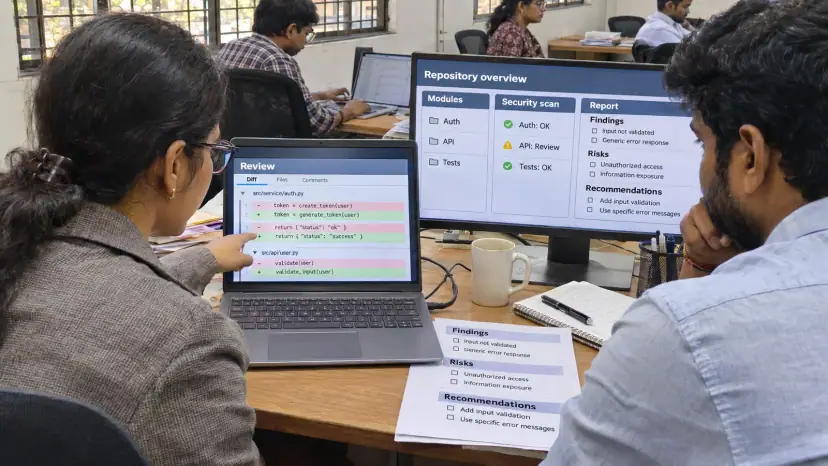
Our due diligence report is a comprehensive document that typically spans 40 to 80 pages, depending on the complexity of the technology being assessed. It includes executive-level summaries for non-technical stakeholders, detailed technical findings for engineering teams, risk heat maps that provide at-a-glance visibility into critical issues, quantified technical debt estimates with remediation cost projections, architecture diagrams annotated with findings, security vulnerability listings with severity ratings, compliance gap analyses with specific regulatory references, and a prioritized action plan that the company can begin executing immediately.
Every finding is categorized as Critical, High, Medium, or Low severity, with clear definitions for each level. Critical and High findings are those that could materially impact the investment or acquisition decision, while Medium and Low findings represent improvement opportunities that can be addressed over time.
Who Needs Technical Due Diligence?
Startups Raising Funding (Seed to Series B)
If you are preparing to raise capital, a proactive technical due diligence assessment positions you ahead of investor scrutiny. You enter negotiations with a clear understanding of your technology's strengths and a documented plan for addressing any weaknesses. This transparency builds investor confidence and can positively influence valuation.
M&A Targets Preparing for Acquisition
Companies anticipating acquisition inquiries benefit from conducting self-assessments that identify and remediate issues before the acquirer's technical team discovers them. A clean due diligence outcome accelerates deal timelines and protects against price reductions driven by technology risk discoveries.
Investors and Venture Capital Firms
Whether you are a seed-stage angel investor or a growth-stage VC fund, understanding the technology risk in your portfolio companies is essential. We provide independent, expert assessments that inform your investment decisions with the same rigor you apply to financial and legal due diligence.
Private Equity Firms and Strategic Acquirers
For PE firms acquiring technology companies or strategic acquirers evaluating bolt-on acquisitions, our technical due diligence provides the detailed risk profile needed to structure deal terms appropriately. We identify integration risks, estimate post-acquisition technology investment requirements, and flag issues that could impact synergy realization.
Pricing Overview
Technical due diligence engagements are scoped based on the complexity of the technology being assessed, the breadth of the assessment dimensions required, and the timeline for delivery. Factors that influence pricing include the size of the codebase, the number of services and applications in scope, the complexity of the infrastructure, and whether the engagement includes team interviews and process assessments. We provide detailed proposals with fixed-fee pricing after an initial scoping discussion, ensuring complete transparency in costs before the engagement begins. Engagement length is scoped to your project's complexity and agreed with you upfront.